


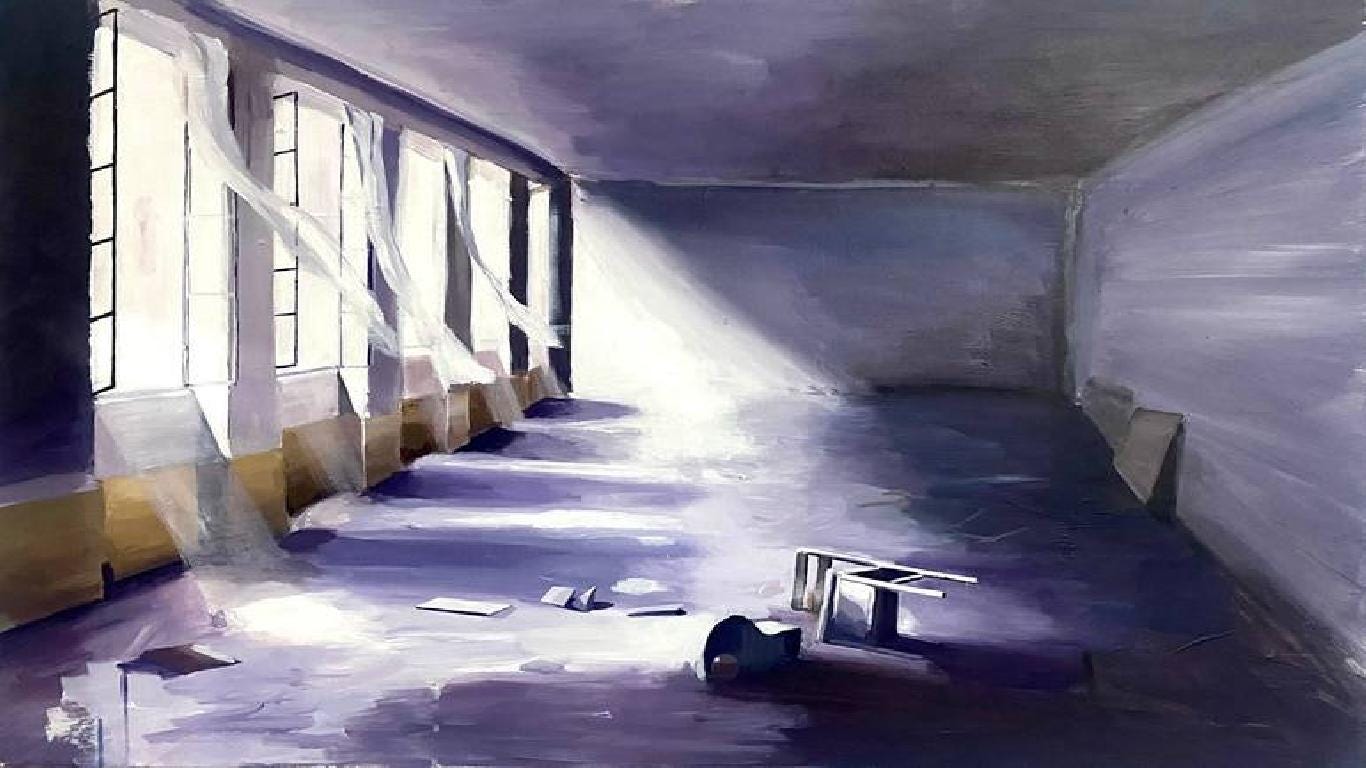
"Nothing is harder to do than nothing. In a world where our value is determined by our productivity, many of us find our every last minute captured, optimized, or appropriated as a financial resource by the technologies we use daily."
— Jenny Odell, How to Do Nothing (via Goodreads)
To be alive is to be online.
Disengaging from social media and the internet feels courageous, yet we simultaneously feel as though we are erasing some essential part of ourselves by simply choosing to disconnect.
The greatest hoodwink of our time has come from social media, convincing us that the best way to communicate with the people in our lives is remotely, at a distance, through a screen.
My relationship with social media began 21 years ago in 2005 on MySpace, and as a student at one of the first non-Ivy League schools to gain access to The Facebook. I spent hours online finding friends and schoolmates to “connect” with after graduating from high school, which created a chasm between us. I clamored to close the distance.
As a member of this first digitally connected generation, we were sold on the idea that the easiest way to stay connected was simply to monitor each other’s activity through a surveillance mechanism dressed up as an algorithm. That mechanism was then turned against us through advertising.
"The villain here is not necessarily the Internet, or even the idea of social media; it is the invasive logic of commercial social media and its financial incentive to keep us in a profitable state of anxiety, envy, and distraction."
— Jenny Odell, How to Do Nothing (via Goodreads)
We trained a generation, starting with mine, to seek connection with high school friends who went off to college, to stay in touch simply because we could. But the bonds of those relationships frayed.
Meanwhile, all of business migrated into the digital landscape. That migration accelerated Amazon's rise, created demand for always-on devices, and normalized the expectation of instant access.
Everything flows from the generation that built Facebook: the ones who leaned into technology, who wanted to connect more deeply, send gifts remotely, and have everything delivered conveniently. Friendships at the click of a mouse. Diapers at the click of a button. Odd trinkets from overseas arrive within a day or two, never more than that, or we get irate.
That was what this generation craved, because social media had conditioned us into a collective that desired instantaneous gratification through digital engagement.
"Platforms such as Facebook and Instagram act like dams that capitalize on our natural interest in others and an ageless need for community, hijacking and frustrating our most innate desires, and profiting from them."
— Jenny Odell, How to Do Nothing (via Goodreads)
And yet, we are now faced with the next generation, our children, who want analog.
They want the warmth and texture of photographs taken with film and disposable cameras. They want to journal. They want curricula free from electronic entanglement.
"The convenience of limitless connectivity has neatly paved over the nuances of in-person conversation, cutting away so much information and context in the process."
— Jenny Odell, How to Do Nothing (via Goodreads)
This is what the future portends.
Community is built on intentionality, not on digital architecture.
About the author: Aaron Spence is a writer, preacher, and community builder based in Los Angeles. He thinks deeply about connection, intentionality, and what it means to live a deliberate life in an age designed to distract. This newsletter is his attempt to think out loud, one post at a time.
Ouuuu….saves for later.
Thought provoking! This provides context for how we got here. I need to lean into more analog. Thankfully, my husband loves fountain pens and artisanal paper! 🥹